How to Turn Off iMessage Announcements in No Time

To learn how to turn off imessage announcements, you need to know about iPhone settings. You also need to know how to disable imessage alerts. It’s easy if you know where to look. Online guides, like the one on how to easily turn off pop-up blocker on, can help you manage your notifications.

Knowing how to disable imessage alerts can make your iPhone experience better. By turning off imessage announcements, you can cut down on distractions. You can also customize your notification settings to fit your needs. In this article, we will show you how to turn off imessage announcements. This way, you can enjoy a more streamlined notification experience.

Understanding iMessage Announcements and Their Impact

iMessage announcements can be helpful but also frustrating for many. To avoid these pop-ups and enhance your experience, it’s key to know what they are and how they work. By adjusting your notification settings, you can tailor your alerts to fit your lifestyle.

Many users face issues like constant notifications, distractions, and interruptions from iMessage. To turn off these notifications, you can tweak your device’s settings. This makes it easier to stay focused, whether you’re working or studying.

What Are iMessage Announcements?

iMessage announcements pop up when you get a message or a call. They can be handy but also annoying, mainly if you get lots of messages or calls daily.

Common Frustrations with Message Notifications

Some common issues with message notifications include:

  • Constant notifications that can be distracting and interrupt your work or activities
  • Difficulty in customizing notification settings to suit your needs and preferences
  • Receiving notifications for messages or calls that are not important or relevant to you

stop imessage pop-ups

Benefits of Customizing Your Alert Settings

Customizing your alert settings can help you stay focused and avoid distractions. By adjusting your notification settings, you can:

  • Reduce distractions and stay focused on your work or activities
  • Improve your productivity and efficiency
  • Enhance your overall user experience and satisfaction with your device

How to Turn Off iMessage Announcements on Your Device

To stop imessage alerts and prevent announcements, follow a few easy steps. First, open the Settings app and go to the Notifications section. Then, turn off the switch next to “Notifications” to mute imessage notifications.

For a more detailed guide, check out the iMessage user guide. It shows how to customize your notification settings. This will help you turn off imessage alerts and stop announcements on your device.

Here are the steps to follow:

  1. Open the Settings app on your device
  2. Navigate to the Notifications section
  3. Toggle off the switch next to the “Notifications” option to mute imessage notifications

By following these steps, you can easily turn off imessage alerts and stop announcements on your device. This will make your experience more peaceful and distraction-free.
mute imessage notifications

Remember to always adjust your notification settings to fit your needs and preferences. This way, you can stay focused and avoid distractions all day.

Conclusion: Enjoying a Notification-Free iPhone Experience

Turning off iMessage announcements can really improve your iPhone use. By silencing imessage alerts, you get more focus and less distraction. This makes your day more peaceful and productive.

Your iPhone should help you, not the other way around. By adjusting your alert settings, you take back control. This lets you enjoy a notification-free iPhone experience and see how it improves your life.

So, why wait? Go to your settings and turn off those annoying iMessage alerts. You’ll feel more free and focused. Your productivity and peace of mind will thank you.

Quickly Disable AirDrop on iPhone: A Step-by-Step Guide

It’s important to know how to turn off AirDrop on your iPhone for security and privacy. Disabling AirDrop stops unwanted file sharing and makes your device less discoverable. For more on managing your device’s settings, check out our how to easily turn off pop-up blocker on ipad resource page.

Managing your AirDrop settings is key to keeping your digital info safe. By turning off AirDrop, you protect your device and personal data. This guide will show you how to disable AirDrop easily and quickly.

Understanding AirDrop and Why You Might Want to Disable It

AirDrop makes it easy to share files between Apple devices nearby. But, it also brings risks like unwanted file sharing or malicious activities. To stay safe, it’s key to know about iphone airdrop settings privacy and tweak your airdrop security settings.

What is AirDrop and How Does It Work

AirDrop uses Bluetooth and Wi-Fi for file sharing between devices. When AirDrop is on, your device can be seen by others. You can change your airdrop security settings to control who can find your device and send files.

airdrop security settings

Common Privacy Concerns with AirDrop

Privacy issues with AirDrop include getting unwanted files or being found by strangers. To fix these, adjust your iphone airdrop settings privacy. This way, you can make your airdrop security better and lower the chance of data breaches or unwanted contacts.

Benefits of Disabling AirDrop

Turning off AirDrop boosts your privacy and security. It stops your device from being found by others and lowers the risk of harm. This is crucial when using your device in public or sharing it with others.

How to Turn Off AirDrop on iPhone: Primary Method

To turn off AirDrop on your iPhone, just follow a few easy steps. First, go to your iPhone’s Settings. Then, choose “General” and find “AirDrop.” After that, pick “Receiving Off” to stop AirDrop. This is the best way to make sure your device can’t send or receive files via AirDrop.

By doing this, you make your iPhone more secure. For more tips on using your iPhone, check out the iPhone 16 manual.

Here are the steps to turn off AirDrop in more detail:

  • Go to your iPhone’s Settings
  • Select “General”
  • Look for “AirDrop” and select it
  • Choose “Receiving Off” to disable AirDrop

Turning off AirDrop helps protect your iPhone from unwanted file transfers. It also boosts your security.
turn off airdrop settings

Alternative Ways to Control AirDrop Settings

There are many ways to manage your iPhone’s AirDrop settings. You can turn off AirDrop to stop unwanted file sharing. This is easy to do through the Control Center, giving you quick access to AirDrop settings.

To learn more about your device’s settings, check out this guide. It covers various features and settings. Knowing how to disable AirDrop on your iPhone can improve your device’s privacy and security.

airdrop settings

Here are some important points to keep in mind when managing AirDrop settings:

  • Temporary vs. permanent disable options: You can choose to temporarily or permanently disable AirDrop, depending on your needs.
  • Managing AirDrop visibility settings: You can control who can see your device and send you files, offering an additional layer of privacy and security.

Conclusion: Maintaining Your iPhone’s Privacy and Security

Disabling AirDrop on your iPhone is easy and can greatly improve your device’s privacy and security. Knowing how AirDrop works and its risks helps you make better choices for your iPhone. You can either shut down AirDrop completely or control who sees it. This is a key step in keeping your digital life safe.

Being careful with your iPhone’s settings and checking your privacy options often can help avoid data leaks and unwanted contacts. Always remember, your personal info and device safety are very important. Taking steps to protect them can make you feel safer in today’s connected world.

Disable Two-Factor Authentication in 3 Easy Steps

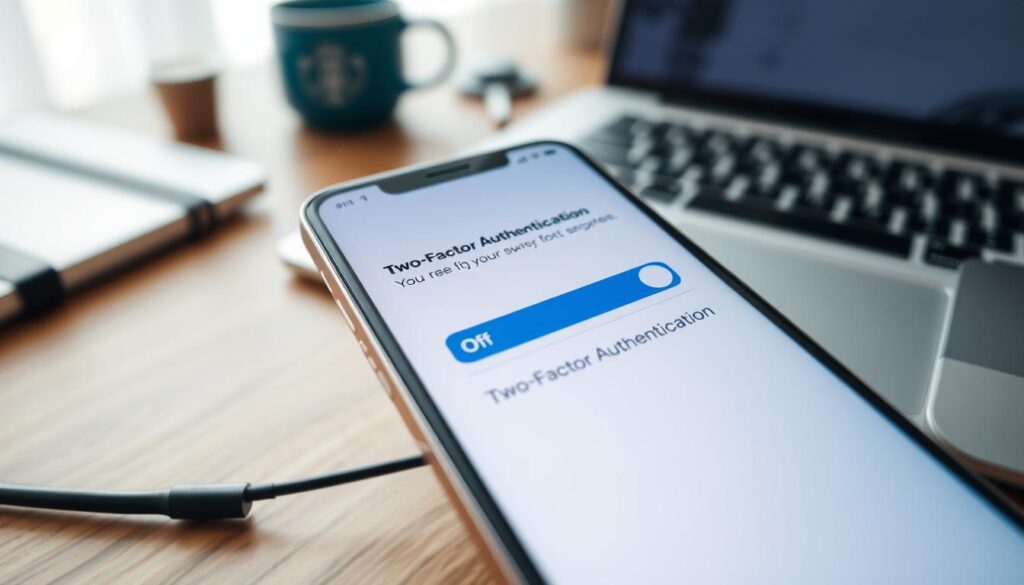
Learning how to turn off two factor authentication is key. It’s important to know the steps and what it means for your security. Two-factor authentication adds an extra layer of protection. But, you might need to disable it if you’re having trouble getting verification codes.

For more on managing your security settings, check out how to turn off pop-up blocker on ipad at https://www.manicmumbling.com/how-to-easily-turn-off-pop-up-blocker-on-ipad/. It can help you understand the bigger picture of online security.

Turning off two-factor authentication is easy. We’ll show you how. Our aim is to help you disable 2fa without compromising your account’s safety. By the end, you’ll know how to manage your online security effectively.

Understanding Two-Factor Authentication and Why You Might Disable It

Two-factor authentication adds an extra layer of security to your account. It requires a second form of verification, like a code sent to your phone or a biometric scan. Sometimes, you might need to turn off two-step verification or dual factor authentication. This could be because you’re having trouble getting the verification codes or if you’re using a public computer.

Before turning off two-factor authentication, think about the security risks. You can visit this link to learn how to reset your laptop safely. Reasons to disable 2FA include fixing issues or using a public computer. You might need to turn off two-step verification or remove dual factor authentication.

two-factor authentication

What is Two-Factor Authentication?

Two-factor authentication adds an extra layer of protection to your account. It requires a second form of verification, like a code sent to your phone or a biometric scan, in addition to your password.

Common Reasons to Disable 2FA

Some common reasons to disable 2FA include:

  • Troubleshooting issues with verification codes
  • Using a public computer
  • Changing your phone number or email associated with your account

Security Considerations Before Deactivating

Before deactivating two-factor authentication, make sure to take necessary precautions to protect your account. This includes ensuring a strong password and considering alternative security measures.

How to Turn Off Two-Factor Authentication on Popular Platforms

To stop two-factor login on various platforms, you need to follow specific steps. For instance, on Google, you can turn off two-factor authentication by going to your account settings and clicking on “Security.” Then, click on “2-Step Verification” and follow the prompts to turn it off. This process is similar to turning off two step verification on other platforms.

Here are the general steps to turn off two-factor authentication on popular platforms:

  • Go to your account settings
  • Click on “Security” or “Security and Login”
  • Find the two-factor authentication option and click on it
  • Follow the prompts to turn it off

It’s essential to note that turning off two-factor authentication may compromise your account’s security. Before making any changes, ensure you understand the risks and take necessary precautions. You can visit privacy policy pages to learn more about how your data is protected.

turn off two step verification

Essential Preparation Before Disabling 2FA

Before you disable two-factor authentication, it’s important to take some key steps. Disabling 2FA can leave your account open to cyber threats. So, it’s crucial to be ready.

Start by backing up your recovery codes. These codes help you get back into your account if you lose your 2FA device or forget your password. Also, make sure your account password is strong and unique. A strong password helps keep your account safe, even without 2FA.

Backing Up Recovery Codes

  • Save your recovery codes in a safe place, like a password manager or a safe.
  • Make sure you can get to your recovery codes when you need them.

Ensuring Account Password Strength

A strong password is key to protecting your account, more so if you disable 2FA. Use a mix of uppercase and lowercase letters, numbers, and special characters. This makes your password hard to guess.

disable two-factor authentication

Alternative Security Measures to Consider

Before disabling 2FA, think about other ways to keep your account safe. Use a password manager to create and store strong, unique passwords for all your accounts. You can also turn on login alerts to warn you of any suspicious activity.

Conclusion: Maintaining Security After Disabling Two-Factor Authentication

Disabling two-factor authentication might seem convenient. But, it’s key to keep your online accounts safe. After turning off this extra layer, check your account activity often. Look out for any strange login attempts.

Think about using other security steps, like a password manager or login alerts. These can help protect your personal info. By being careful and using these methods, you can still keep your accounts safe, even without two-factor authentication.

How to Quickly Turn Off Track Changes in Word Documents

When you’re working on a document in Microsoft Word, disabling track changes is key to finishing your edits. It’s important to know how to turn off track changes in Word for a smooth workflow. This is crucial in team projects.

The track changes feature in Word is great for keeping track of edits. But, it can be annoying when you don’t need it anymore.

Learning to disable track changes can save you time and reduce stress. In this article, we’ll look at how to turn off track changes in Word. We’ll cover the review tab method and a keyboard shortcut solution. This will help you manage your documents better and use the track changes feature wisely.

Understanding Track Changes in Microsoft Word

Microsoft Word’s track changes feature is a powerful tool for collaboration. It lets users work together on documents and see who made what changes. To stop track changes, users can turn off editing marks, which hides all the document’s changes. This is helpful for reviewing and finalizing documents.

When track changes is on, Microsoft Word shows different marks for changes. These marks show insertions, deletions, and formatting changes. To turn off these marks, users can click on the “Track Changes” button in the Review tab and select “Off” or use a keyboard shortcut.

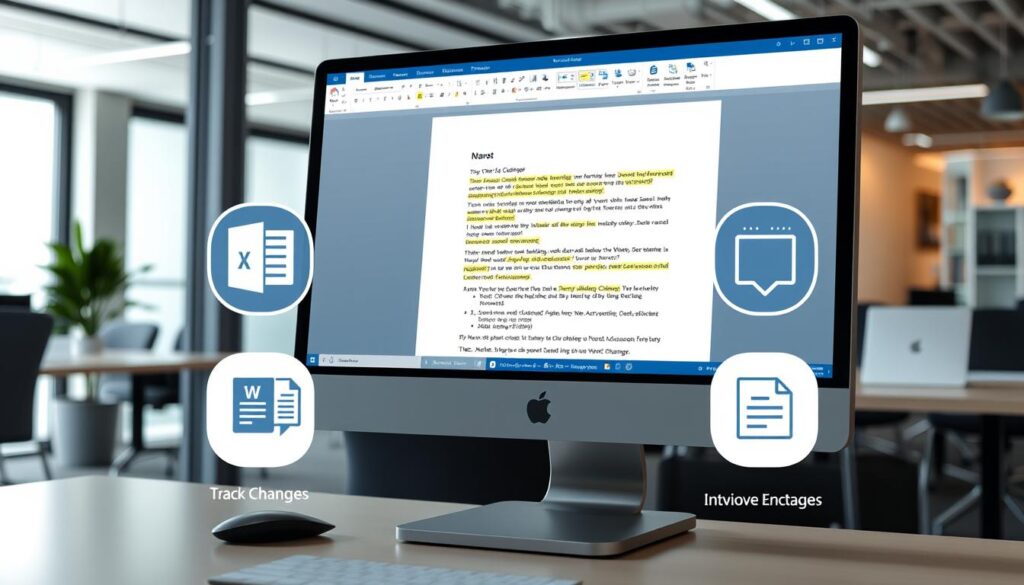
track changes in Microsoft Word

Using track changes has its benefits. It helps in collaborating with others and tracking changes. But, it can make the document look cluttered and confuse users about the changes. To manage this, users can use viewing options like “Final” or “Original” to hide or show marks.

  • Use the “Track Changes” button to enable or disable the feature
  • Use the keyboard shortcut to turn off editing marks
  • Use the different viewing options to hide or show the marks

Understanding track changes and how to stop it helps users collaborate better. It makes reviewing and finalizing documents easier.

Quick Methods to Turn Off Track Changes

Knowing how to hide and remove track changes in Microsoft Word is key. This helps keep your documents tidy and organized. There are several ways to do this, each with its own steps and benefits.

When editing a document, you might need to remove track changes to keep things clean. One effective way is to use the review tab. Here, you can find options to turn off track changes.

Using the Review Tab Method

This method makes it easy to hide and remove track changes. Just go to the review tab, click on “Track Changes,” and choose “Off” from the menu.

track changes

Keyboard Shortcut Solution

For a faster option, try the keyboard shortcut “Ctrl + Shift + E.” It quickly toggles track changes on and off. This is great for those who like to work fast and efficiently.

Turning Off Track Changes in the Desktop App

In the desktop app, turning off track changes is straightforward. Go to the “Review” tab, click on “Track Changes,” and pick “Off.” This method is tailored for the desktop app, helping you keep your document free of unwanted marks.

Advanced Track Changes Management

Managing track changes in Word documents is key for teamwork and keeping versions straight. To improve your track changes management, learn how to turn off track changes for good. You also need to know how to handle them in shared documents and protected ones. This is easy to do and saves time, which is great when you need to cancel track changes in a document.

Some important things to think about for advanced track changes management are:

  • Permanently disabling track changes to prevent accidental edits
  • Managing track changes in shared documents to ensure seamless collaboration
  • Dealing with protected documents to maintain document integrity

By getting good at these skills, you can handle track changes in Word documents better. This makes teamwork easier and helps you keep your documents in order. This is very important when working with track changes word

Conclusion: Best Practices for Managing Track Changes

Understanding and managing track changes in Microsoft Word is key. It keeps your documents clean and helps you work together better. By following this guide, you can turn off track changes easily. This way, your work stays organized and easy to follow.

Knowing how to disable track changes or use it wisely boosts your productivity. It also keeps your documents looking professional. Keep these tips in mind to become a pro at managing track changes.